Unschooling vs. homeschooling… how are they different, exactly?
If you’re new to the alternative schooling journey or even if you’ve been doing some research for a while, you may get confused about the differences between unschooling and homeschooling. Keep reading to find out what exactly unschooling vs homeschooling really means.
Oh yeah- try to keep an open mind because I know that as a former homeschooled kid myself, unschooling is probably the most misunderstood of the homeschooling styles.
What is Unschooling Vs Homeschooling?
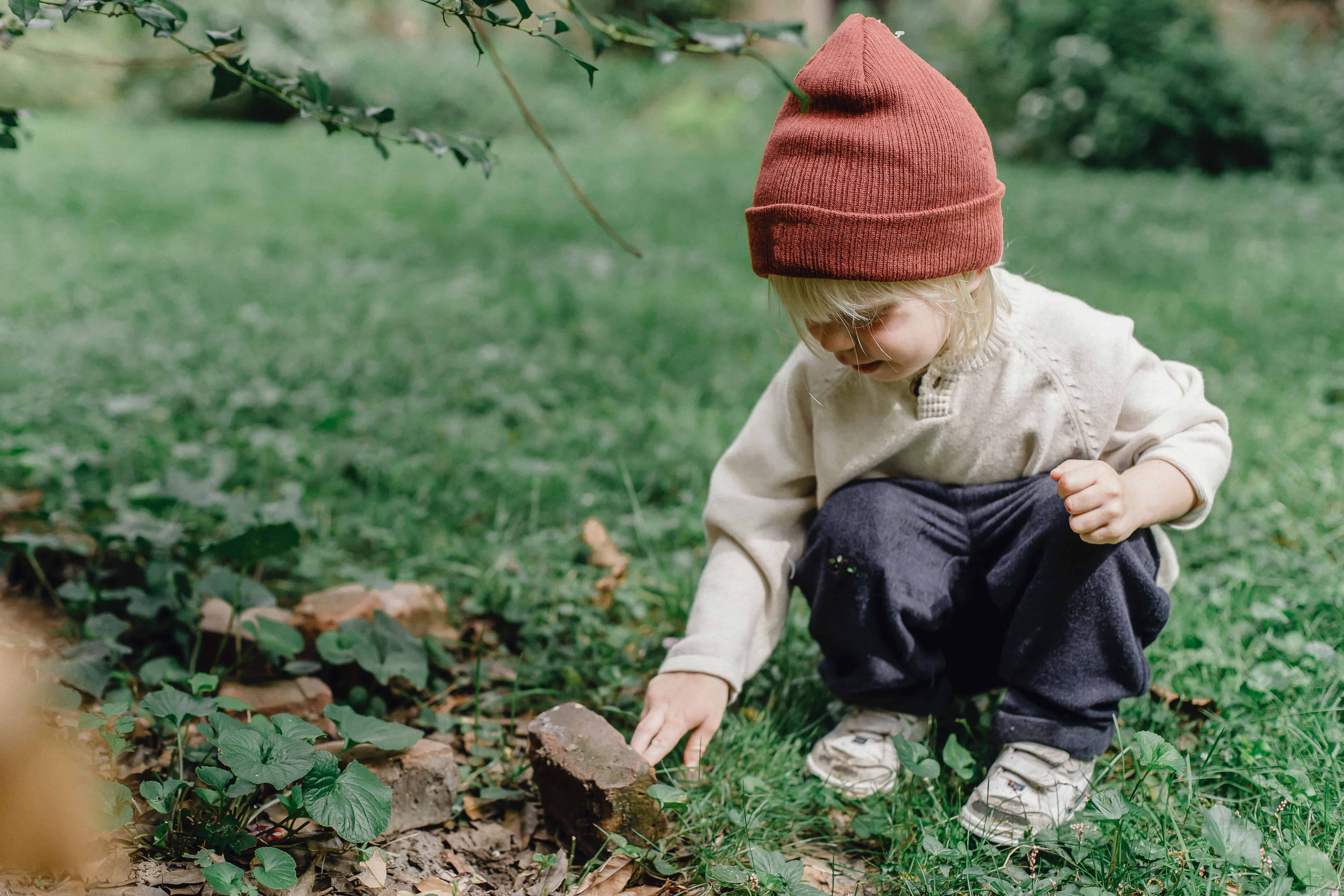
It’s understandable that people can confuse homeschooling with unschooling.
If you take a look at the simplified graphic below, you’ll see that ‘homeschooling’ is like an umbrella, and that ‘unschooling’ falls under that umbrella.

Homeschooling is the overarching idea of educating at home, whereas unschooling falls under its umbrella.
While unschooling is an offshoot of homeschooling, it deserves its own category.
Definition of Unschooling
Unschooling is:
✅ An approach to education that is child-led
✅ The theory that learning happens best through life
✅ A partnership between the parent and child
✅ The pursuit of a child’s interests with the support of an engaged parent
Unschooling is not:
❌ A free-for-all
❌ Educational neglect
❌ Just doing schoolwork at home
❌ The sole responsibility of the child
❌ Permissive Parenting
Similarities of Unschooling vs. Homeschooling
There are definitely some similarities between unschooling and homeschooling.
Unschooling and homeschooling both:
🚸 Take place in the home versus a school
🚸 Involve the child and the parent
🚸 Want their child to be successful in their academic pursuits
🚸 Want their child to be a well-rounded person
🚸 Want something more than what public schools have to offer
🚸 Embrace alternatives to traditional schooling
What does it mean to be unschooled?
💡 Unschooling is more than just an educational philosophy- it’s the practice of extending your children the same respect that you do adults.
💡 It’s the idea that the world is the best classroom.
💡 It’s the practice of spending an immense amount of time with your children, observing their interests, helping them find resources, and challenging them.
Unschooling examples
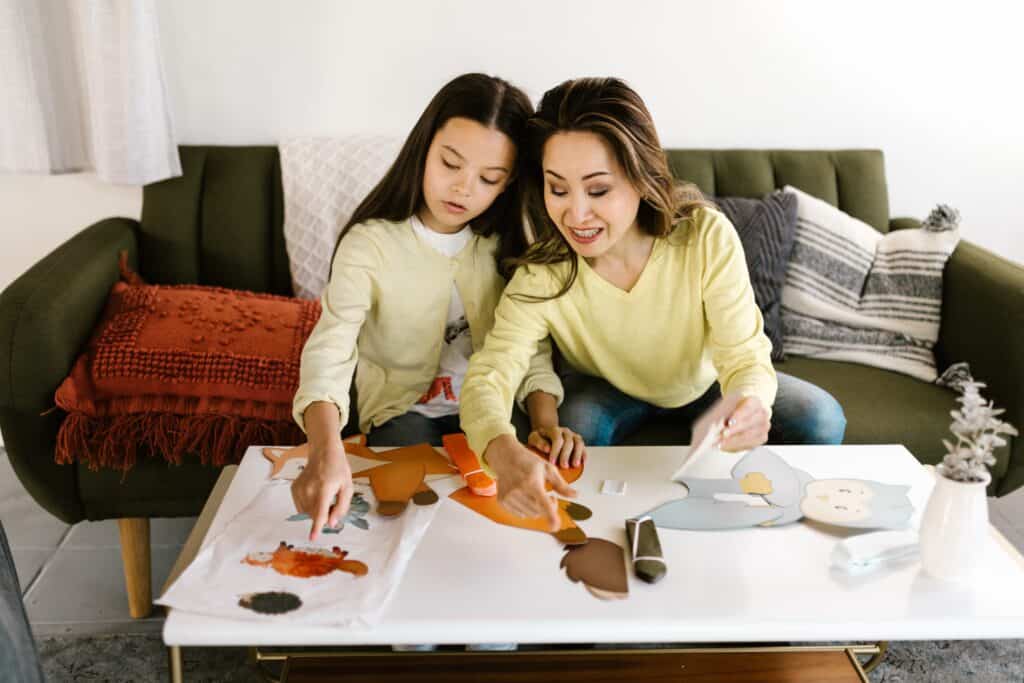
Family A are unschoolers and they travel throughout the world, immersing themselves in each destination.
The R family are unschoolers who live in the Pacific North West. They spend most of their time hiking trails, visiting the coastal beaches, and meeting up with other unschoolers.
What are the benefits of unschooling?

✅ Opportunity for collaboration between parent and child
✅ Less stress surrounding curriculum
✅ Raise life-long scholars
✅ More living in the moment
✅ Your kids will learn life skills
What is radical unschooling?
Radical unschoolers extend the child-led focus into the parenting realm.
Radical unschoolers partner with their children to make decisions involving the child’s upbringing.
Some of the decisions made as a parent-child partnership might be around:
- Bed time
- Eating
- Technology time
- Clothing choices
Unschooling is misunderstood

Many people have the wrong idea about unschooling.
If you think that the average person can be critical of homeschooling, multiply that by 100 and that’ll give you a pretty good idea of the average sentiment towards unschooling.
The Homeschool Graduate
Unschooling is not a parent refusing to educate a child.
In fact, unschooling can actually be a lot of work for the parent because they are supporting their child’s educational pursuits 24/7.
Unschooling is simply the idea that life is the best teacher and that living in the moment is more educational than trudging through a textbook.
Many people agree that more learning happens outside of the classroom than within.
Then why are so many critical of unschooling?
FAQ about Unschooling
Is Unschooling Legal?
Yes! Unschooling is a form of homeschooling and homeschooling is legal in all 50 states of the U.S. and in each Canadian province.
There are countries throughout the world where homeschooling is illegal and therefore unschooling would also be illegal.
How do I record unschooling hours for the state?
If you live in a state that requires that you submit homeschool records then you’re probably wondering how you record unschooling.
A lot of unschoolers keep a journal of daily activities and then classify each activity as a school subject.
They also record the time spent in order to prove that they met their state’s requirements. Here is an example below.
| Activity | Time Spent | School Subject |
| Helping with the budget | ⏱️ 30 min | Math |
| Watching the weather report | ⏱️ 15 min | Science |
| Reading a chapter book | ⏱️ 45 min | English |
| Sending a penpal letter in Spanish | ⏱️ 60 min | Foreign language |
| Listening to grandparents tell stories | ⏱️ 90 min | History |
| Taking a walk | ⏱️ 60 min | P.E. |
| Dancing to the radio | ⏱️ 30 min | Music |
Do unschoolers go to college?

Most definitely! There are many avenues to college admittance for unschooled students.
- Take the ACT or SAT
- Compile a learning portfolio
- Take some classes at the community college to transfer to a 4 year university
The Smithsonian did a piece on unschoolers in college, you can check it out here!
Can unschooling be structured?

Definitely! Unschooling is not synonymous with chaos.
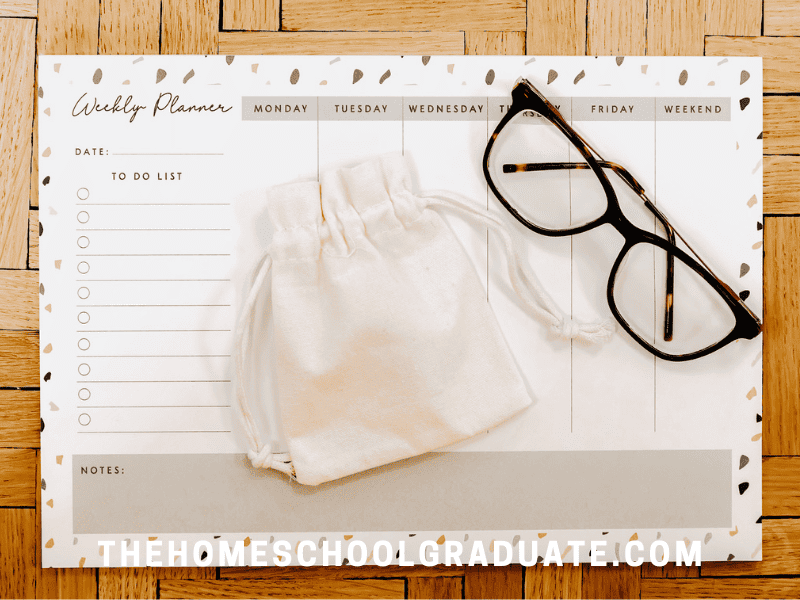
The premise of unschooling is that it’s child-led. Those of us who have a Type A child (✋) know that they love structure, to-do lists, and organization. Well, give them a voice in their schedule!
The difference between unschooling structure and the structure of a public school day is that it’s authentic. It’s adaptable. It meets the needs of the individuals in the group, not just the group as a whole. (So, basically super anti-Vulcan. Sorry, Spock).
Some unschooling families attend extracurriculars and that requires structuring of their schedules. Others routinely go to the library a certain day of the week.
One simple way that we incorporate structure into our day is by asking each child a single question in the morning: “What are your goals for today?”
How to Start Unschooling
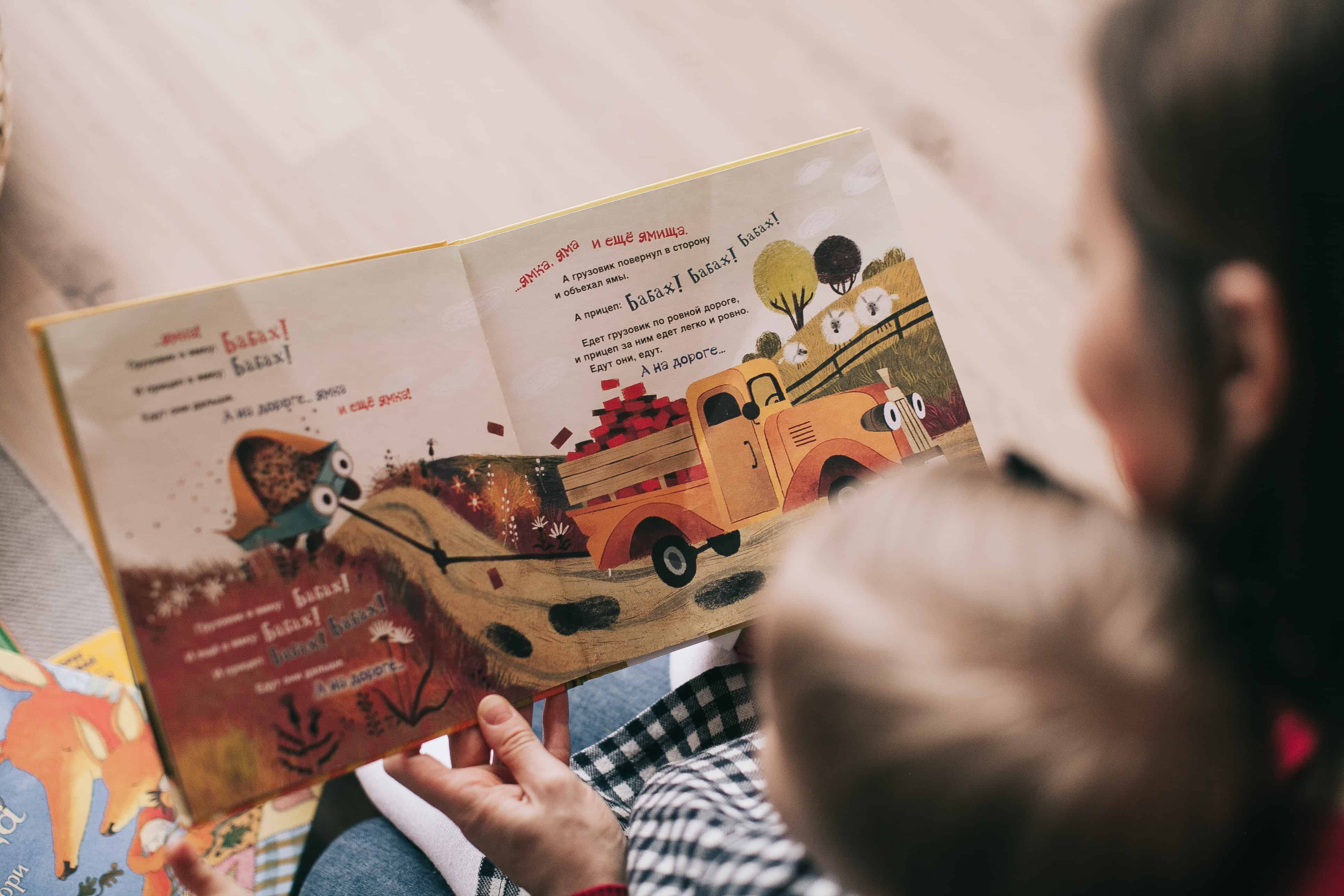
If you think that unschooling sounds right for you and your family, initiate an open discussion. After all, you’re taking this journey together!
One of the most touted book recommendations on the unschooling approach is titled Dumbing Us Down, The Hidden Curriculum of Compulsory Schooling by John Taylor Gatto.
I don’t think I agree with his book in entirety. However, it comes highly recommended by many unschooling parents.
Find Dumbing Us Down by John Taylor Gatto on Amazon here.
Many people like to transition into any kind of homeschooling with a period of deschooling. More on that below!
Is deschooling the same as unschooling?

Nope! Deschooling and unschooling are totally different ideas.
Unschooling, as aforementioned, is about educating through life.
Deschooling is a period of time where the family decompresses and doesn’t do anything remotely school-like (notice I didn’t say ‘education-like’)!
Families may choose to deschool for a couple of weeks in order to reset after a period of trauma.
Or they may deschool if the child is burnt out and becomes resistant to learning.
What is unschooling vs. homeschooling, truly?
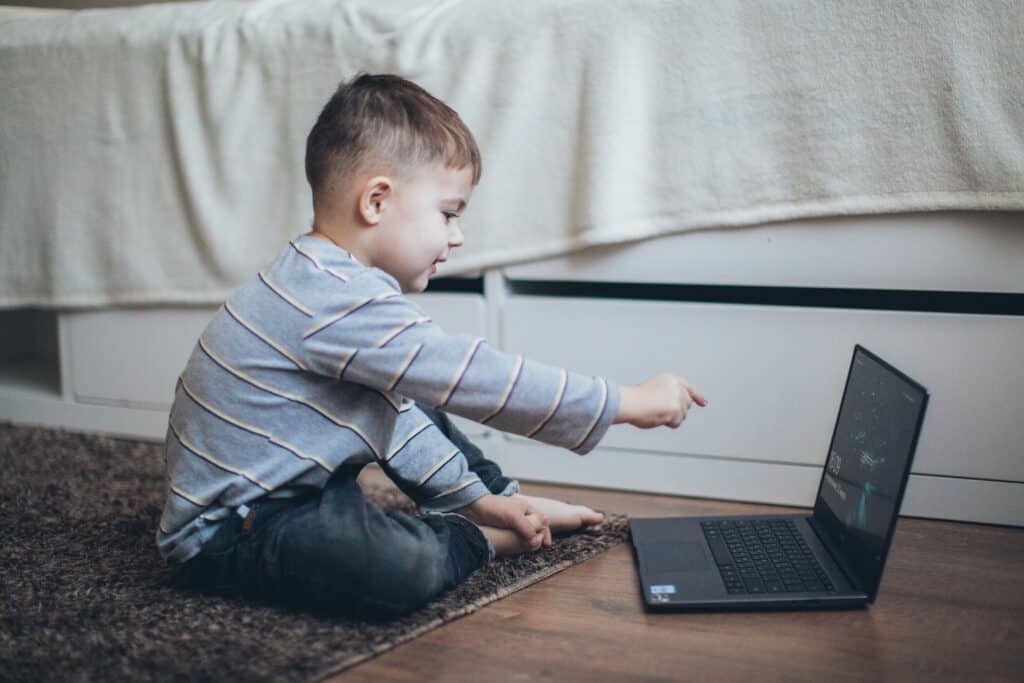
Unschooling in a nutshel is a pretty amazing privilege that we have as home educators.
Although I’m not an unschooler, I’m drawn to it because of its gentle parenting style. Some ways that I incorporate some “unschooling flavor” into our homeschool include:
✅ Researching curriculum with my children
✅ Giving them tons of choice
✅ Helping them create their own to-do lists and daily schedules
✅ Listening to their concerns
Unschooling sets the foundation for children who will love learning their whole lives.
Recap: Unschooling vs. Homeschooling
Unschooling is not the same thing as homeschooling. Rather, it’s a totally unique approach to education.
Unschooling is child-led, whereas homeschooling is parent-led. Unschooling doesn’t use curriculum or textbooks, while homeschooling may choose from a whole manner of curriculum.
There are many nuances to unschooling but at the root there is a respect for the child’s self and their educational interests.
Whether you’re gung-ho for unschooling or just a little interested, you have the freedom of completely customizing your family’s educational experience.



1 thought on “Unschooling Vs. Homeschooling: How are they different?”
Comments are closed.